

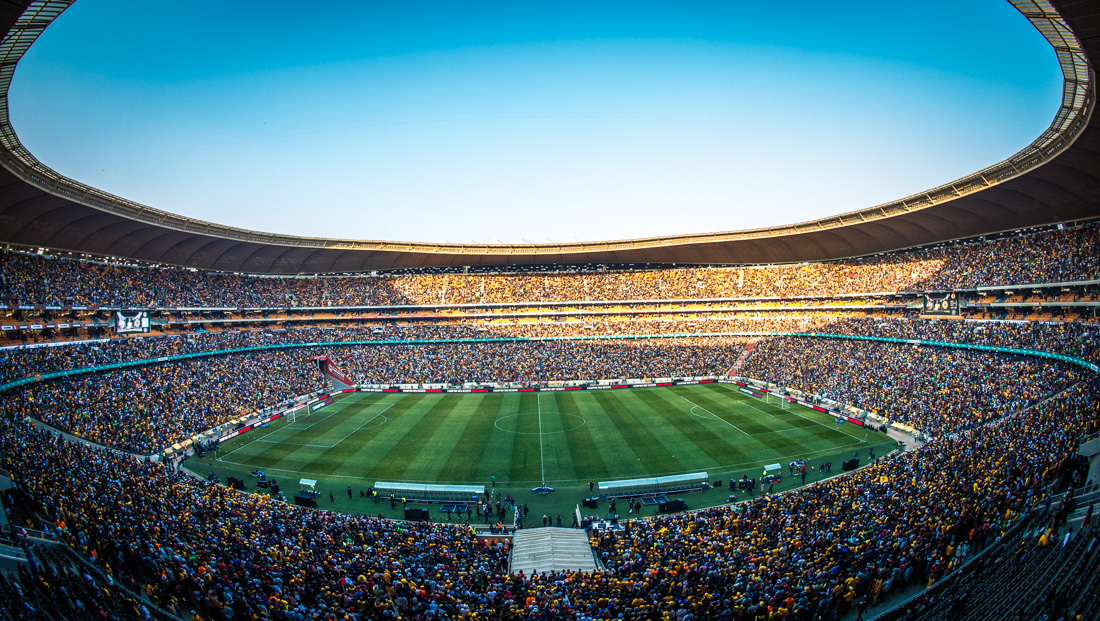
Matchday: The Soweto Derby
Following the people, places, and stories that make the Kaizer Chiefs vs Orlando Pirates bigger than football
People travel for it, sleep for it, eat around it, dress for it, and experience Johannesburg through it. When Kaizer Chiefs vs Orlando Pirates face off, Johannesburg begins to move differently: trains, taxis and buses fill with supporters travelling towards Soweto; guesthouses turn over rooms to visitors arriving from other cities and countries; and streets around the stadium become a marketplace of jerseys, food, music, and football memorabilia. By the time Kaizer Chiefs and Orlando Pirates walk onto the pitch, thousands of journeys have already taken place, many of them beginning long before the first whistle.
For those who have experienced it from the pitch, the scale of pressure is impossible to ignore. Former Kaizer Chiefs captain Itumeleng Khune has spent much of his career at the centre of the experience, featuring in 28 Soweto derbies across all competitions, witnessing first-hand the anticipation that builds across the city and the intensity that follows the teams into the stadium. “Every time I wore the Kaizer Chiefs jersey, I made sure to leave my blood and sweat on the field,” says Khune.
Leading up to the game, I had to always be switched on, and not let anything distract me or disturb my preparations. The whole week before matchday, everywhere you go, people are wearing jerseys of their favourite teams. You are constantly being reminded of the game’s importance and what is at stake. You can’t afford to disappoint people. You know everyone is watching.”
Growing up on the dusty streets of Ventersdorp in the North West, where opportunities are few and far between, Itumeleng Khune understood early on that football would require sacrifice and responsibility. Before Khune’s first trial, his father gave him an ultimatum: a pair of football boots or groceries for the family. Khune chose the boots, taking on the responsibility and essentially swearing an oath to never disappoint his family at the tender age of 12.
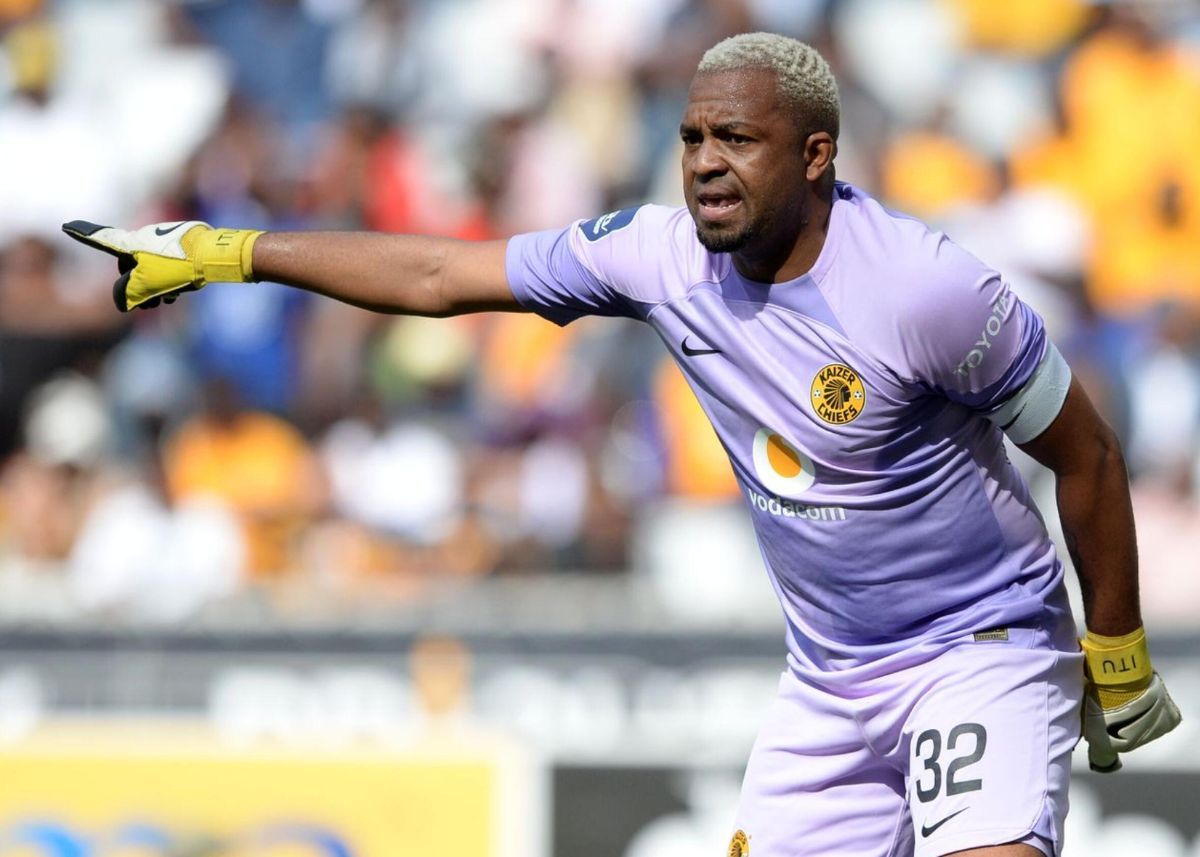
“I made myself a promise that I’m going to make it, play professional football, play for Chiefs, captain Chiefs, and play for Bafana Bafana,” he says.
Few players have represented one club for their entire professional career, but I always trained my hardest in every session, so that I could continue playing for Chiefs as long as possible. I never saw myself wearing a different jersey or representing another team. It’s my greatest pleasure being a one-club man and to have had the opportunity to set the bar high and change the level of goalkeeping in the country.”
Across the pitch, Khune’s sentiments on spectacle and pressure are echoed by former Orlando Pirates keeper Brighton Mhlongo, who joined the club in 2011 and spent 7 years with the Buccaneers. “The derby sets a precedent for a beautiful spectacle,” he says. “Derbies throughout my career were always nerve-wracking moments. There was a time when I was still processing Senzo Meyiwa’s loss, and I couldn’t fathom the amount of pressure of replacing him or stepping into his shoes. In the derbies that followed, I channeled the inner strength of playing in his honour and for my father, whom I lost during my first derby experience as a senior player in 2012. Going back to Soccer City always has a huge impact on my life.” For Mhlongo, penalty
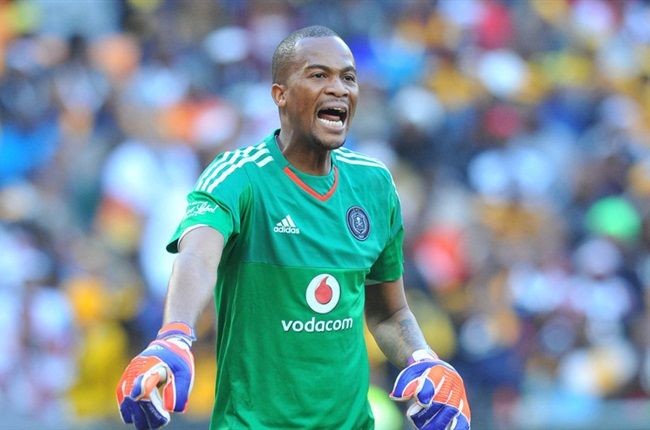
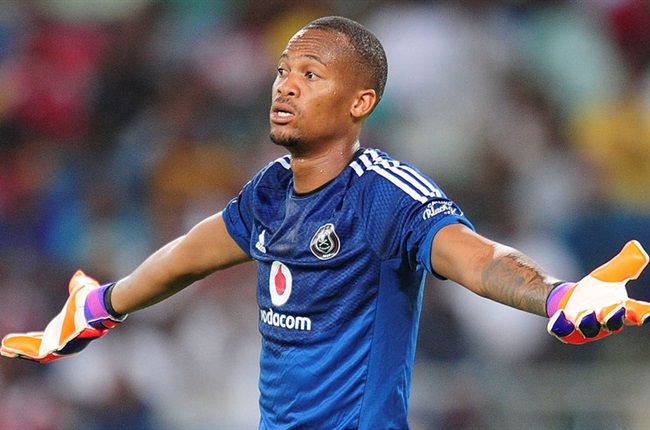
shootouts are a microcosm of the derby, a game within a game, where the pressure of success often feels insurmountable. It’s these kinds of battles that define a derby, where you’re either a hero or a villain. “Ultimately, the derby keeps the fire burning and reminds the fans and the players what it means to be part of the rich history of our football,” Mhlongo adds.
For Khune and Mhlongo, the derby was defined by the responsibility of stepping onto the pitch and knowing that thousands of people were watching. For the supporters, that responsibility takes on a different form. Kaizer Chiefs superfan Papa Wawa, Chairman of the Atteridgeville branch, known as the People’s Branch, feels that matchday is an expression of that inherited identity. “On a personal level, the Soweto Derby is spiritual to me,” he says. “It is far more than football. It is history, emotion, sacrifice, and remembrance. When I look at the Kaizer Chiefs badge, I see generations of people who have endured hardship, celebrated victories, and stood together through disappointment. I see a grandmother who passed her love for Amakhosi to her children, and a father who takes his son or daughter to the stadium to continue a legacy that started long before him.” Among the most integral voices on the other side, Thami Mashele, popularly known as ‘PhD’ believes the derby is one of the most anticipated games in South Africa’s sporting calendar. “It’s all about pride,” he says. “Even though Orlando Pirates are the current champions of the Betway Premiership, we have to do it again, and do it in style by beating Kaizer Chiefs.” Mashele admits that he struggles to sleep the night before a derby, constantly thinking about the players, what the coaches are thinking, and who is going to play. To quell the pre-match jitters, he arrives at the stadium early, welcoming supporters from Botswana, the US, and from all over the world coming to watch the derby. “People are dancing, singing, making sure that they’re donning their best regalia and makarapas,” he adds. “You have to wear your best of the best because it’s the biggest game in Soweto.”
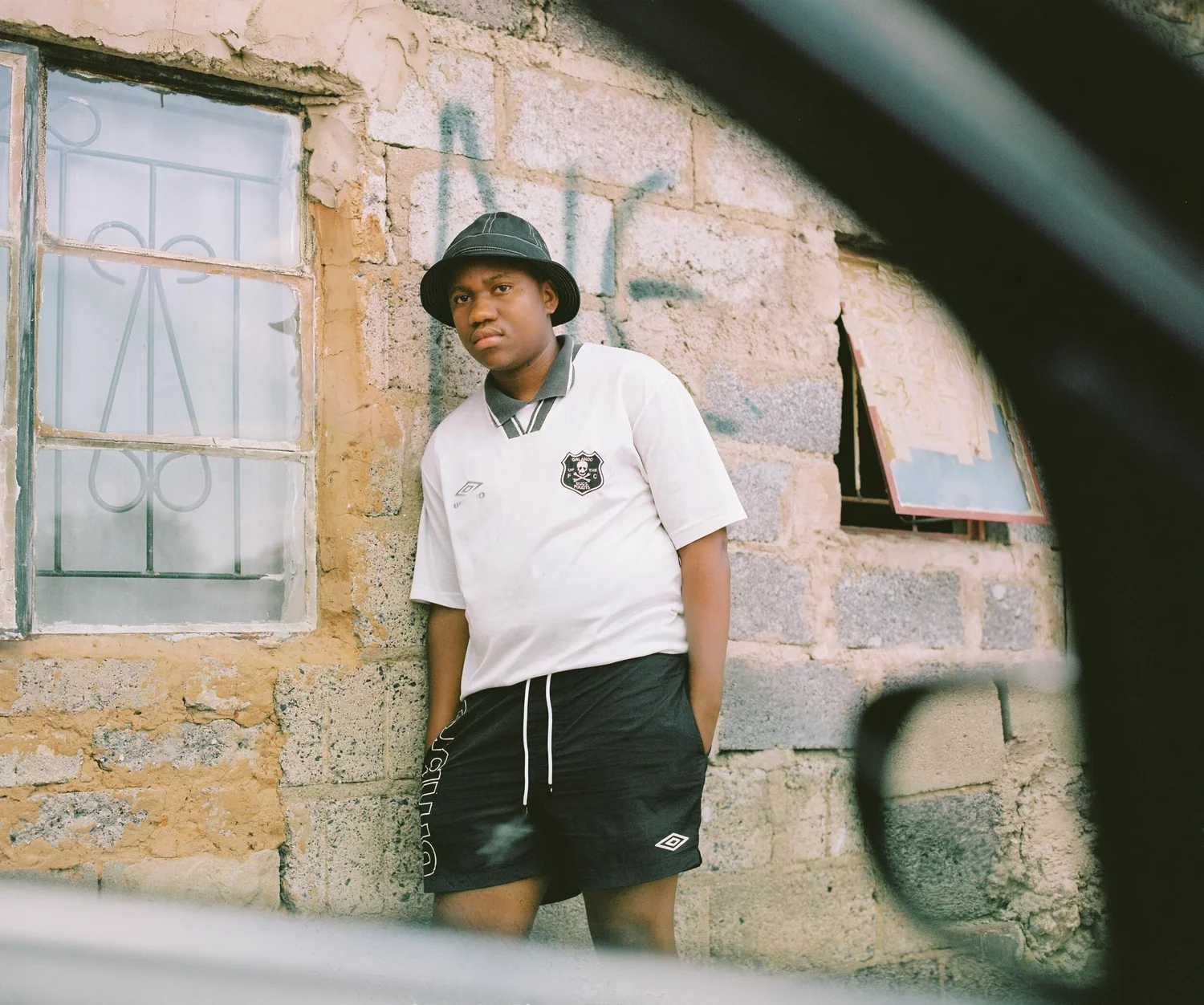
There are few people who embody this sense of identity more than Kabelo Kungwane, son of former Chiefs player Shakes Kungwane, and founder and creative director of Kasi Flavour10, a creative agency that merges the art of fashion, photography, and design. Kungwane has been attending Soweto Derbies since he was young, marking it as one of the pivotal fixtures that inspired him as he grew older, idolising his favorite players Steve Lekoelea and Jabu Pule. “Growing up, I started to understand the love and passion that we have as South Africans for this fixture,” he says.
It’s played a huge role in starting Kasi Flavour10, I felt like we need to tell these stories and archive more pieces from history. This game means a lot.”
This sense of collective identity, from club pride to fashion, is also what gives the derby its economic force. According to Barba Gaoganediwe, Chief Marketing Officer and Head of Destination Marketing and Communications at the Gauteng Tourism Authority, the fixture has evolved from a sporting event into something much broader: “It has moved from being an event to being an economic ecosystem, not just for Gauteng, but for the region and the African continent. It’s a major economic booster for the country, but also an important aspect of, or a barometer of, what we call the country’s happiness index.”
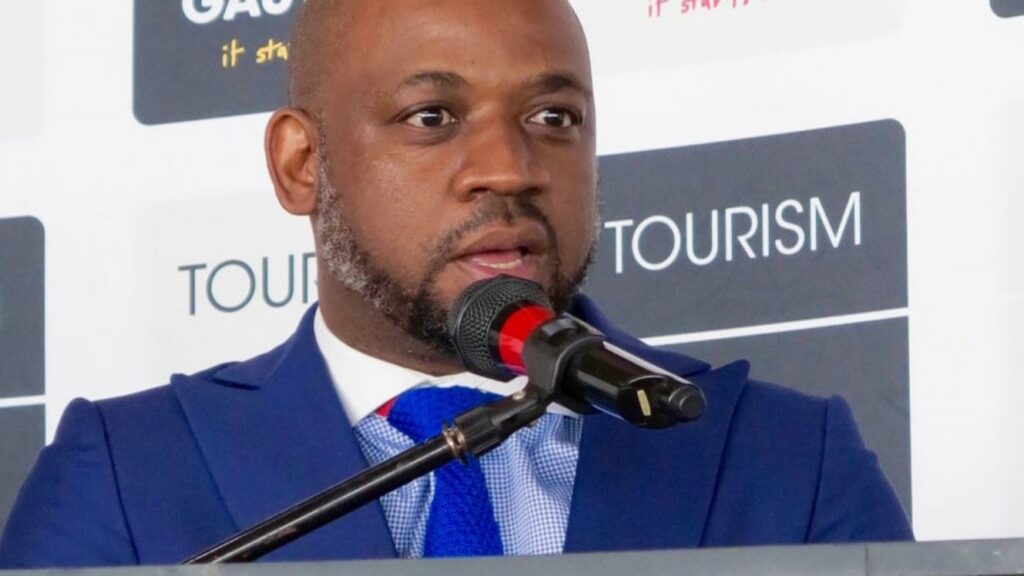
For Gaoganediwe, the regularity of the derby is central to its economic value. Unlike a once-off event, its recurrence creates a level of certainty that allows an entire network of businesses and services to prepare around it. “It happens twice, or if we are lucky, three or four times in a year. And regular occurrence creates momentum, creates certainty. It builds in a layer of supporting infrastructure, supporting processes that fit into other activities,” he adds. The ecosystem extends further still. The match is broadcast across the continent and beyond, creating an audience for watch parties in cities such as Kinshasa, Nairobi and Accra. This is part of what is driving the internationalisation of the fixture, as supporters who cannot make the journey to Johannesburg still participate in the occasion, while others travel specifically to experience it in person. “What makes it more attractive for visitors outside Johannesburg is to be part of the culture,” he says. The FNB Stadium is now home to the South African Sports Hall of Fame, which has moved from Sun City and houses the stories of some of the country’s sporting legends. Visitors can take stadium tours, explore the changing rooms and spend time in a space that connects the contemporary spectacle of the derby with the wider history of South African sport. “The opportunities are just massive,” he says.
For me, that gives us a blueprint of what we could do with other sporting codes, similar to rugby, the heritage of Ellis Park or Loftus, similar to cricket, with the Wanderers or SuperSport Park.”
The Soweto Derby ultimately exists far beyond the 90 minutes played between two teams. It lives in the journeys made to Johannesburg, the jerseys worn through the streets, the songs carried into the stadium, the businesses preparing for the influx of supporters, and the stories passed from one generation to the next. That is what gives the derby its pull: it can be a first visit to FNB Stadium, a family tradition, a chance to see a favourite player, a weekend spent exploring Soweto, or simply an excuse to dress up, meet friends and be part of the atmosphere.
Its significance is measured by everything that happens around the game, and by the thousands of people who continue to make the journey to experience it for themselves.

Leave a Reply